Playing online slots can be entertaining, but there is secret method that guarantees a win. Slot results are generally determined by a random number generator (RNG), which means every spin is independent. The better approach is to understand the game, control your budget, and avoid chasing losses.
One useful tip is to check the RTP and volatility of a slot before playing. A higher RTP means the game is designed to return a larger percentage of wagers over a very long period, while volatility tells you how often and how large wins may appear. Low-volatility games usually offer smaller but more frequent payouts, while high-volatility slots can be more unpredictable.
Players should also set a clear betting limit before starting. Avoid increasing your bet simply because you have lost several rounds in a row. Previous spins do not make the next spin more likely to win, so chasing losses can quickly increase your risk.
Another smart approach is to test a game with smaller bets first. This gives you time to understand its paylines, bonus symbols, free-spin features, and special mechanics before risking a larger amount.
Most importantly, treat RAYA22 slot games as entertainment rather than a guaranteed way to make money. Set a spending limit, stop when you reach it, and never gamble with money needed for everyday expenses. Good bankroll control cannot guarantee a win, but it can help prevent one bad session from becoming a much bigger loss.
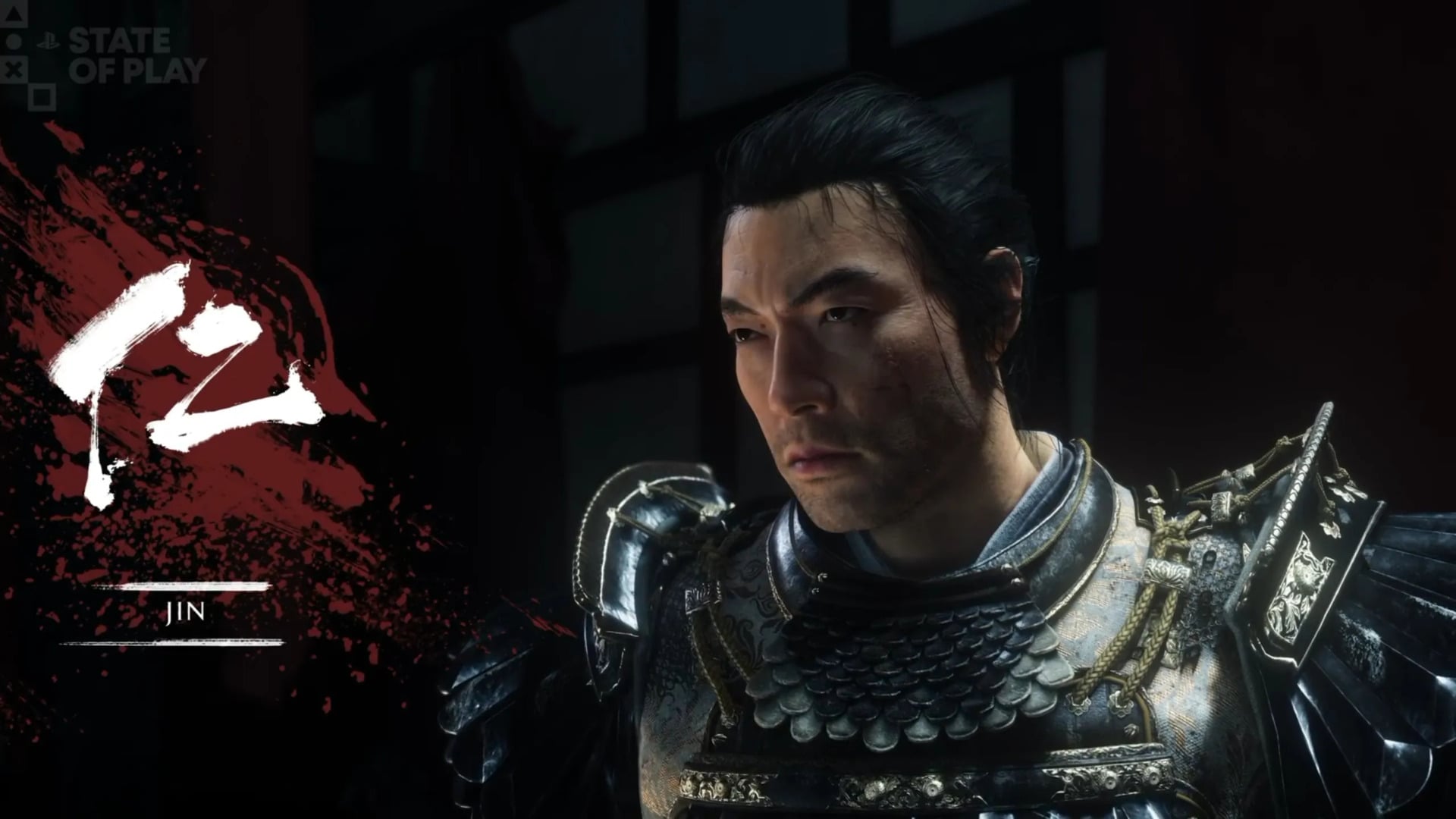
Jin Sakai is officially returning. PlayStation has confirmed that the original Ghost of Tsushima protagonist will become a playable character in Ghost of Yōtei through a new mode called Most Wanted, giving longtime fans another chance to step into the role of the Ghost.
This isn’t just a quick cameo or cosmetic appearance. Jin comes with his familiar combat style from Ghost of Tsushima, including the four original sword stances, bow, Sticky Bomb, Dance of Wrath, and the powerful Ghost Stance. His character model has also been updated to better match the visual presentation of Ghost of Yōtei while keeping the identity players remember from the original game.
Most Wanted takes a different approach from the main Ghost of Yōtei experience. It’s designed as a single-player roguelike survival mode, where players take on bounties, survive groups of increasingly dangerous enemies, defeat minibosses, and collect perks that strengthen their character during each run. Eventually, players will face members of the Yōtei Six.
Jin won’t be the only playable character either. Most Wanted includes Atsu, Oyuki, and Nagato, with each fighter bringing different weapons and abilities. That should give the mode more variety than simply replaying the same encounters with different character skins. Jin, however, will almost certainly be the character that attracts the most attention because of his connection to Ghost of Tsushima.
His return is particularly interesting because Ghost of Yōtei moved away from Jin’s story and introduced a new protagonist and setting. Bringing him back allows Sucker Punch to reconnect the two games without necessarily changing the direction of Yōtei’s main campaign. For players who spent dozens of hours mastering Jin’s combat in Tsushima, the ability to use those familiar stances again is an easy reason to return.
The update is scheduled to arrive on October 1, 2026, alongside the Ghost of Yōtei Complete Edition and the Echoes of Sekigahara expansion. Existing owners will also have an upgrade option, so players won’t necessarily need to purchase the entire game again just to access the new package of content.
Of course, Jin’s comeback immediately raises a bigger question: does this mean Sucker Punch is preparing another Ghost of Tsushima game centered on Jin? For now, the answer is no—at least officially. PlayStation has only confirmed his appearance in Most Wanted, and there has been no announcement of Ghost of Tsushima 2 or a new standalone Jin Sakai adventure.
Still, bringing Jin Sakai back as a fully playable character feels more significant than a simple nostalgia cameo. Ghost of Yōtei is giving the original Ghost his sword back, complete with the abilities that made him such a memorable protagonist. Whether this is simply a celebration of Ghost of Tsushima or a small hint at something bigger, fans will have another reason to return when Most Wanted arrives this October.
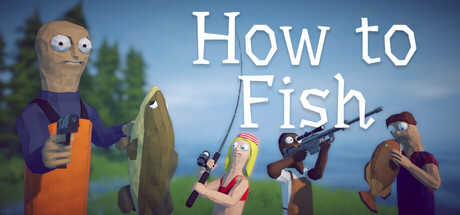
How to Fish sounds like one of those chill fishing games you fire up after a long day. Yeah… not really. You do fish, obviously, but before long you’re running around islands with your friends, throwing fish all over the place, buying weapons, pulling off ridiculous trick shots, fighting huge creatures, and somehow turning what should’ve been a relaxing fishing trip into complete chaos.
The game launched on Steam on August 20, 2026, and it didn’t take long for people to notice it. Within days, How to Fish was already showing up among Steam’s top-selling games and collecting thousands of positive reviews. But the more interesting part isn’t simply that the game got popular. It’s how two Swedish developers got there after their previous game barely managed to sell.
So, Who Actually Made How to Fish?
How to Fish comes from Dazed Games, a tiny Swedish indie studio founded by Melvin Olsson and Carl-Vilhelm Johansson. And when I say tiny, I mean it. Dazed Games is basically the two of them.
Melvin and Carl-Vilhelm had already been messing around with programming and game development for years. They studied at LBS Kreativa Gymnasium in Gothenburg before moving on to Game Development and Programming at the University of Skövde. Like plenty of indie developers, though, they didn’t jump straight into making a hit. Their first proper project was Out of Hand: Deluxe, a physics-based multiplayer party game. That game would eventually become one of the biggest reasons How to Fish exists, just probably not in the way they expected.
Their First Game Didn’t Exactly Go to Plan
Out of Hand started as a prototype while the two were still studying. They brought the project into the Sweden Game Startup program in 2023, later released a free version on Steam, officially formed Dazed Games in 2024, and eventually launched a paid version during the summer of 2025.
Sounds like a pretty normal indie development story so far. Except the game didn’t really sell.
Melvin later talked pretty openly about the problem. Sales were low, and one of the biggest weaknesses they noticed was something a lot of small developers underestimate: marketing. You can spend years making a decent game, but if barely anyone knows the thing exists, that obviously doesn’t help much.
They kept working on Out of Hand for a while and tried to improve it, but eventually decided that endlessly fixing the same project probably wasn’t going to change the situation. Instead of dragging things out for another couple of years, they moved on. Around August 2025, the two started working on something completely new. That project became How to Fish.
This Time, They Didn’t Wait Until Release to Show the Game
This is probably one of the biggest differences between Out of Hand and How to Fish. The first time around, Dazed Games mainly focused on making the game. With How to Fish, they also started thinking about how people were actually going to discover it.
Throughout development, Melvin and Carl-Vilhelm regularly uploaded short clips showing new features, weird physics moments, funny bugs, and whatever else happened while they were building the game. Turns out, that kind of content works pretty well when your game naturally creates ridiculous situations.
Some of their clips started pulling millions of views on TikTok and Instagram, while their Discord community grew before the game had even launched. That’s a completely different position from releasing a game first and only then trying to convince people to care about it. By the time How to Fish finally appeared on Steam, there were already players waiting for it.
Then Landfall Got Involved
Things got even more interesting when Dazed Games crossed paths with Landfall. If you’ve played games like Totally Accurate Battle Simulator or seen some of Landfall’s other projects, the connection makes a lot of sense. Landfall has always had a thing for strange physics, multiplayer chaos, and games that are almost as fun to watch as they are to play.
Basically, How to Fish fits right into that kind of world.
After meeting through industry events, Dazed Games eventually received project investment from Landfall to help finish How to Fish. Landfall didn’t buy the studio or take control of Dazed Games. The investment was there specifically to help them get the game over the finish line. For a two-person team, that’s a pretty big deal. It gave them more breathing room to focus on finishing the project without constantly worrying about how long they could keep funding development themselves.
Okay, But What Do You Actually Do in How to Fish?
The setup is wonderfully stupid. Your character has been drinking, goes out on a boat, crashes, and ends up stranded on an island. Naturally, the obvious solution is to become really, really good at fishing.
You start out with basically nothing. Catch fish, sell them, make some money, buy better gear, and slowly work your way toward bigger and stranger things. Simple enough. Then How to Fish starts going off the rails.
There are different islands to explore, quests to finish, weapons to buy, rare fish to hunt down, dangerous creatures, upgrades, boss-like encounters, and a bunch of physics-driven nonsense that gets even better when friends are involved. You can even earn extra money by pulling off trick shots with your catches, because apparently just catching the fish isn’t enough. You have to embarrass it first.
Calling How to Fish a fishing simulator honestly doesn’t explain much. It feels closer to a weird co-op physics sandbox with fishing thrown into the middle of it, which is probably a big part of why it stands out so quickly when you see clips of people playing.
Four Players Apparently Weren’t Enough
At launch, How to Fish supported solo play and co-op for up to four players. That didn’t last very long. Just one day after release, Dazed Games pushed out an update that increased the lobby size to eight players.
Eight people in a physics-based fishing game. You can probably imagine how organized those sessions are.
The developers also started tweaking creatures, fixing multiplayer issues, and responding to problems players were reporting through Discord. More patches followed pretty quickly, adding private lobbies, quality-of-life changes, bug fixes, and fixes for a few ways players had already figured out how to completely ruin multiplayer sessions. For such a small team, the post-launch response came surprisingly fast.
Then They Hit One Million “Fishermen”
Only a few days after launch, Dazed Games posted another update celebrating one million fishermen in two days. There’s an important distinction here, though. The developers described the milestone as “1 Million Fishermen,” not one million copies sold, so it wouldn’t be accurate to simply call it one million sales.
Still, whatever way you look at it, that’s a ridiculous amount of attention for a game made by two people.
The Steam reviews told a similar story. Within days, How to Fish had already collected thousands of reviews, with the overwhelming majority of players recommending the game. That was enough to push it into Overwhelmingly Positive territory. Not bad for a studio whose previous game struggled to get much attention at all.
So Why Did How to Fish Blow Up?
There’s no single magic answer. The relatively cheap price helps, co-op obviously helps, and games built around unpredictable physics are basically perfect for TikTok clips, YouTube Shorts, Twitch streams, and whatever group chat your friends use to send each other dumb videos at 2 AM.
But the bigger part of the story probably happened before launch.
Dazed Games learned something from Out of Hand: making the game wasn’t enough. This time, they started building an audience while they were still building the game. They posted development videos, showed people funny moments, grew a Discord community, and basically let the game advertise itself through the kind of chaos it naturally creates.
So when launch day finally arrived, How to Fish wasn’t some random Steam page appearing out of nowhere. People already knew what it was, and some of them had been waiting for it. That’s a completely different starting point for an indie game.
From a Failed Game to a Steam Top Seller
That’s really what makes How to Fish interesting. Sure, the game itself is funny. Watching eight people completely fail at what should be basic fishing is probably enough to sell plenty of copies on its own. But behind all of that is a pretty classic indie developer story.
Two guys made a game. It didn’t sell. They figured out where they messed up. Instead of spending another few years trying to force the same project to work, they started over. They made something easier to understand, easier to share, and much easier to market. Then they spent months showing it to people before asking anyone to buy it.
A year later, How to Fish launched, climbed into Steam’s top sellers, picked up an Overwhelmingly Positive rating, and suddenly had a huge community on its hands.
What’s Next for How to Fish?
It’s still way too early to know where the game goes from here. How to Fish only launched on August 20, and Dazed Games is still pushing updates and fixing things based on player feedback. There also isn’t some massive awards history to talk about yet. The game literally just came out.
Maybe it’ll still be huge six months from now. Maybe the hype cools down. That’s the fun part—we don’t know yet.
But even if How to Fish disappeared from Steam’s top-seller list tomorrow, its launch already makes for a pretty good story: a failed first game, two developers, a completely different second attempt, millions of views before release, backing from Landfall, and then almost overnight, one of Steam’s hottest new games.
Not a bad comeback for a couple of guys who started by making a game hardly anyone bought.