Playing online slots can be entertaining, but there is secret method that guarantees a win. Slot results are generally determined by a random number generator (RNG), which means every spin is independent. The better approach is to understand the game, control your budget, and avoid chasing losses.
One useful tip is to check the RTP and volatility of a slot before playing. A higher RTP means the game is designed to return a larger percentage of wagers over a very long period, while volatility tells you how often and how large wins may appear. Low-volatility games usually offer smaller but more frequent payouts, while high-volatility slots can be more unpredictable.
Players should also set a clear betting limit before starting. Avoid increasing your bet simply because you have lost several rounds in a row. Previous spins do not make the next spin more likely to win, so chasing losses can quickly increase your risk.
Another smart approach is to test a game with smaller bets first. This gives you time to understand its paylines, bonus symbols, free-spin features, and special mechanics before risking a larger amount.
Most importantly, treat RAYA22 slot games as entertainment rather than a guaranteed way to make money. Set a spending limit, stop when you reach it, and never gamble with money needed for everyday expenses. Good bankroll control cannot guarantee a win, but it can help prevent one bad session from becoming a much bigger loss.
God of War: Laufey is starting to look very different from the recent Kratos games, and the latest gameplay details make that even clearer. Santa Monica Studio has shown more of Faye’s combat style, with the Serpent Bow becoming one of the biggest highlights.
Unlike Kratos, who usually relies on heavy melee weapons and close-range attacks, Faye looks much more mobile. The Serpent Bow can be used for careful precision shots, but players can also fire while moving, making combat feel faster and less rigid.
The bow is not just a basic ranged weapon either. Faye can target specific body parts, stack multiple arrows before releasing them, and use different arrow types depending on the situation. Some attacks can hit several enemies at once, while others are designed to create explosive damage or help continue combos.
That already makes Laufey feel like it could have a very different rhythm compared to God of War Ragnarök. Instead of slowly controlling space with heavy attacks, Faye appears to rely more on movement, positioning, and chaining abilities together.
This is probably one of the most interesting parts of the game so far. Santa Monica Studio could easily have reused the same combat foundation from the previous God of War games, but everything shown so far suggests they are trying to give Faye her own identity.
God of War: Laufey is currently scheduled to release on PS5 on February 16, 2027. If the final game keeps this faster combat style, it could end up feeling less like a simple spin-off and more like a completely different take on the God of War formula.
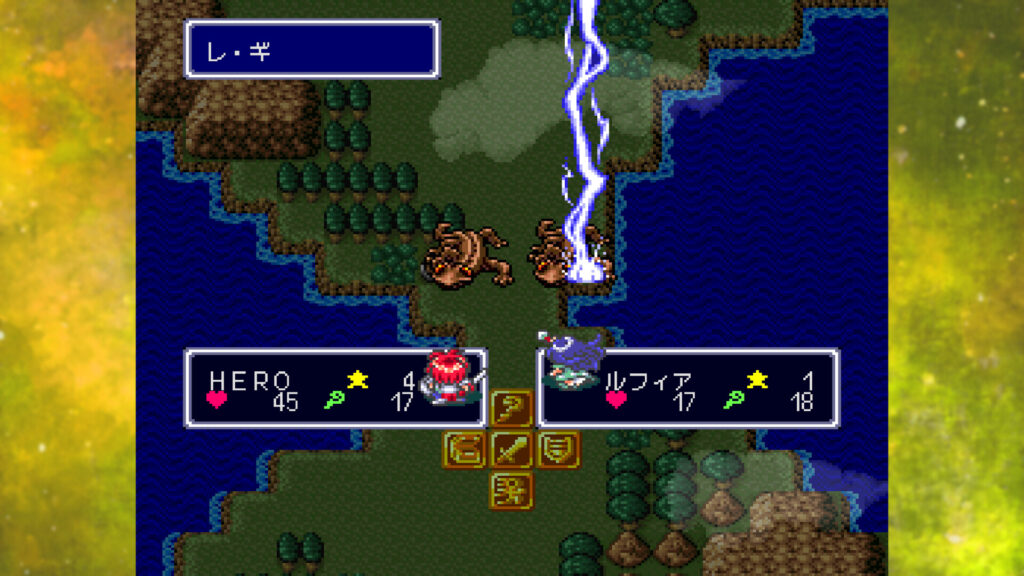
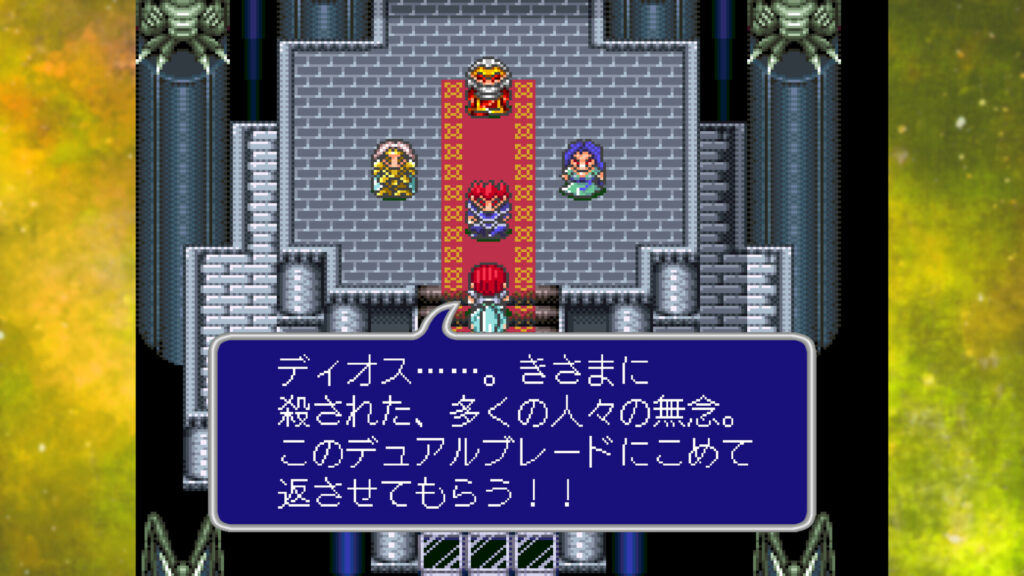
One of the most memorable RPG series from the SNES era is finally coming to PC. Lufia 1 & 2: The Sinistrals Saga has been announced for Steam, marking the first official PC release in the history of the franchise after more than three decades.
The collection brings together Lufia & the Fortress of Doom and Lufia II: Rise of the Sinistrals in one package. Both games originally arrived during the 1990s, with Lufia II later becoming the entry many fans remember most for its puzzles, dungeon design, and emotional story.
Instead of completely rebuilding the games as modern remakes, the developers are aiming to preserve the original experience as closely as possible. That means players should expect the classic pixel-art presentation and traditional turn-based RPG structure rather than a full visual overhaul.
For longtime fans, the biggest news is simply accessibility. The early Lufia games have spent decades tied to older Nintendo hardware, making them difficult to play legally on modern systems without owning original cartridges and consoles.
Steam changes that. The collection will finally allow a new generation of PC players to experience the Sinistrals storyline while giving longtime fans an easier way to revisit two games that helped define the series.
The announcement arrived during the PC Gaming Show Tokyo Direct 2026, where the collection appeared as one of the event’s world premieres. Lufia 1 & 2 is currently scheduled to launch in Q1 2027, and the Steam page is already available for wishlisting.
There is still plenty we do not know, including final pricing and exactly what quality-of-life features will be included. But the important part is already confirmed: after more than 30 years, Lufia is finally getting an official home on PC.
For classic JRPG fans, that alone makes this one of the more interesting retro gaming announcements to come out of the Tokyo showcase.
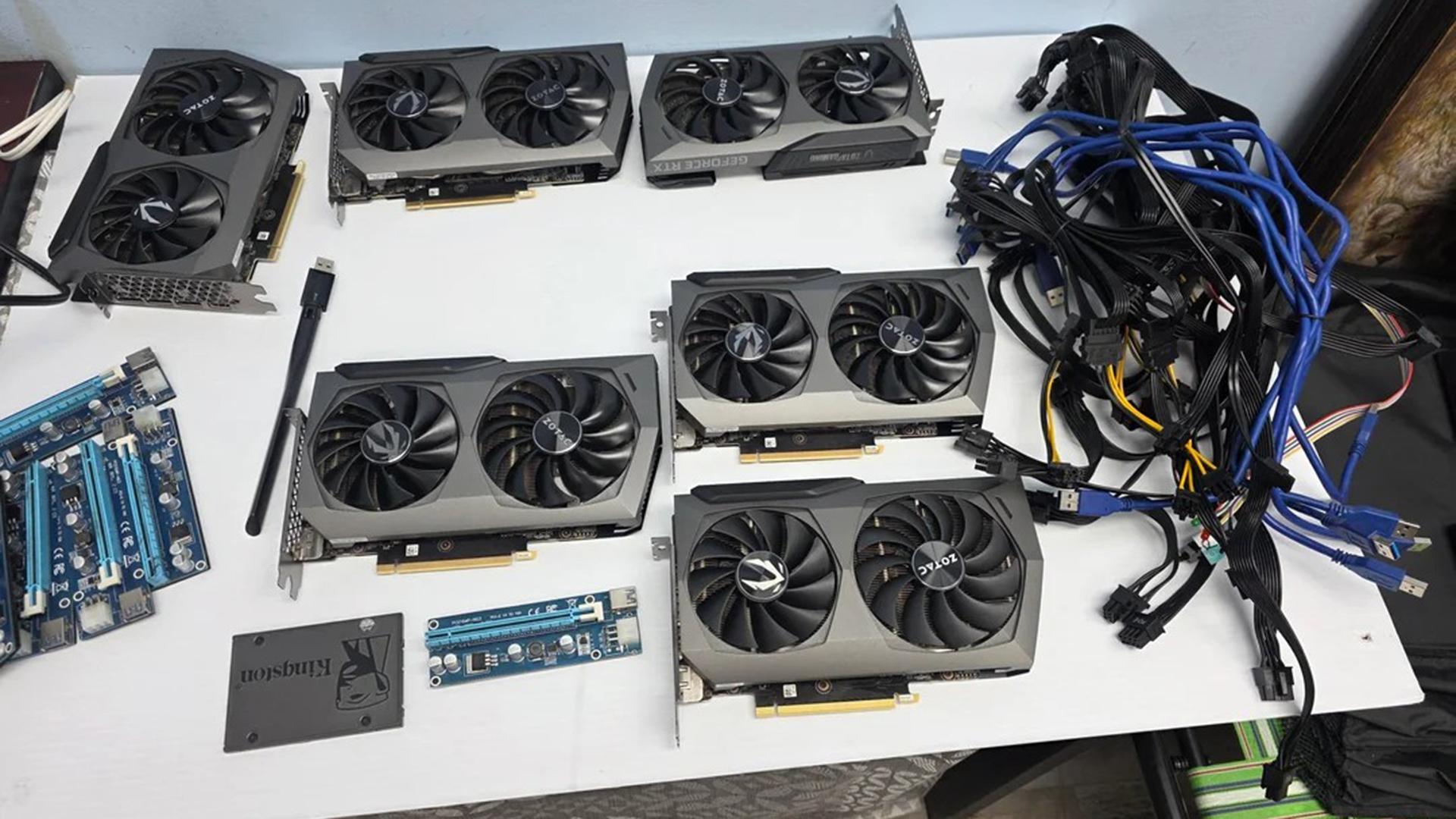
Nvidia’s grip on the desktop graphics card market is showing little sign of weakening. New data from Jon Peddie Research shows the company controlled roughly 90% of the add-in board GPU market in Q2 2026, while global shipments climbed to their highest level in around four years.
Desktop graphics card shipments reached approximately 12.5 million units during the quarter, representing a strong increase from the previous three months. That is particularly surprising because GPU prices remain high and many PC gamers have complained about the rising cost of building or upgrading a gaming system.
Nvidia alone is estimated to have shipped around 11.25 million desktop GPUs during the quarter. AMD held roughly 8% of the market, while Intel accounted for about 2%, leaving Nvidia with an enormous advantage despite both competitors continuing to release new gaming hardware.
The bigger surprise may be overall demand. Instead of slowing down as graphics cards become more expensive, buyers appear to be purchasing more GPUs. The desktop GPU attach rate also climbed sharply, suggesting that discrete graphics cards remain an important part of the PC upgrade cycle.
Part of that demand could come from gamers buying hardware earlier than planned because they expect prices to rise further. Memory costs, component shortages, supply-chain uncertainty, and strong demand for advanced chips from the AI industry have all contributed to concerns about future GPU pricing.
For Nvidia, the numbers show that its success in AI has not weakened its gaming position. The company may now generate most of its revenue from data centers, but GeForce remains overwhelmingly dominant in the desktop graphics market, especially across higher-end gaming systems.
AMD and Intel still have opportunities to gain share, particularly if they can compete aggressively on pricing. But with Nvidia sitting near 90% while overall shipments continue climbing, breaking its dominance will require more than simply launching another generation of GPUs.
For PC gamers, the most interesting part of the report is simple: high prices have not killed demand. Desktop graphics card shipments are at their strongest level in years, and Nvidia is taking the overwhelming majority of that market.
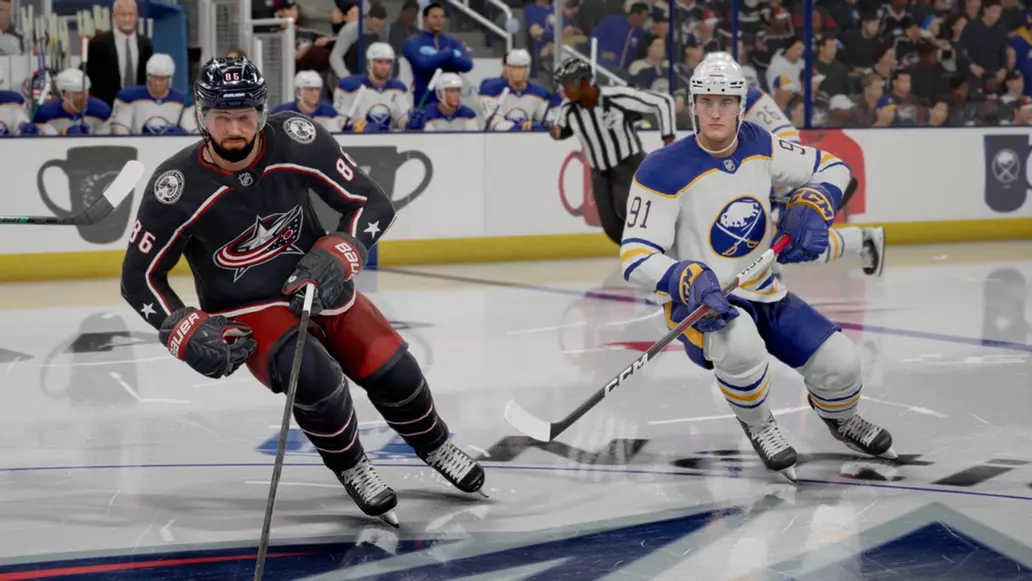
EA Sports has confirmed that NHL 27 uses AI voice technology as part of its new commentary system. The voices belong to ESPN broadcaster John Buccigross and former NHL goaltender Darren Pang, but there is an important detail: both commentators agreed to the technology and are actively involved in the process.
According to EA, Buccigross and Pang completed more than 50 traditional recording sessions before AI was used to expand their commentary. Instead of replacing the broadcasters entirely, the technology helps EA generate additional lines while building on material recorded directly with the two commentators.
The idea is to give NHL 27 more commentary variety without constantly bringing the broadcasters back into the studio. EA says it can also respond faster to league changes, add new player or city names, and improve lines based on feedback from players after launch.
AI-generated voices in games are still a sensitive topic, especially as actors and performers continue debating how their voices should be used by developers. NHL 27 presents a slightly different case because EA says the technology was introduced with full consent and ongoing collaboration from both commentators.
The system has not been perfect, however. Players have reported awkward pronunciations and repetitive commentary, and EA has already started addressing some of those issues through NHL 27’s first major update. More player and city-name coverage is also planned for future patches.
For EA, the experiment could become an interesting example of how AI voices are used in sports games going forward. Instead of completely replacing human performers, NHL 27 shows another approach: record real broadcasters extensively, get their permission, and use AI to expand what their voices can do inside a constantly changing game.
PlayStation players waiting for Forza Horizon 6 can relax a little. Playground Games has once again confirmed that the PS5 version is still scheduled to launch later in 2026, despite recent reports suggesting the port may have slipped into next year.
The confusion started after reports from well-known industry sources suggested that the PlayStation 5 version might not arrive before the end of 2026. That naturally created questions about whether Microsoft and Playground Games had quietly delayed the port, especially since the PS5 version still doesn’t have a specific release date.
Playground Games has now pushed back against that idea. In its latest update, the studio clearly stated that Forza Horizon 6 will be releasing on PS5 later this year. That doesn’t give players an exact day to mark on the calendar, but it does mean the official target remains 2026 for now.
Forza Horizon 6 has already been available on Xbox Series X|S and PC, including Steam, since May 19, 2026. The PS5 release is arriving later as part of Microsoft’s wider multiplatform strategy, which has seen more traditional Xbox games move onto competing hardware.
That alone makes the PS5 launch more interesting than a normal port. Forza has spent years as one of Xbox’s biggest gaming brands, so seeing the series reach PlayStation represents another clear sign that Microsoft’s approach to exclusivity has changed. The company increasingly appears more interested in expanding the audience for its games than keeping every major franchise tied permanently to Xbox hardware.
The PS5 version is also expected to support cross-save, allowing players to continue their progress across supported platforms. For a game built around collecting hundreds of cars, completing events, and steadily expanding a garage over dozens of hours, being able to carry progress between systems could be a meaningful feature.
What we still don’t know is the actual release date. The PlayStation Store currently allows players to wishlist the game, but Playground Games hasn’t announced when pre-orders or the final launch will begin. That leaves some room for speculation around major gaming events later this year, although nothing has been officially confirmed.
It’s also worth separating the previous delay reports from what Playground Games is saying now. Those reports came from credible industry sources, but the latest official statement still says 2026. Unless the developer announces another change, that’s the timeline players should treat as current.
Forza Horizon 6 reaching PS5 will also be another important test of Xbox’s multiplatform strategy. If the game performs strongly on PlayStation, it could reinforce the idea that Microsoft’s biggest franchises no longer need to remain exclusive to Xbox hardware to be successful.
For now, PS5 players still have some waiting to do. But despite the recent rumors, Forza Horizon 6 has not officially been delayed to 2027, and Playground Games continues to promise that the open-world racer will arrive on PlayStation before the end of this year.
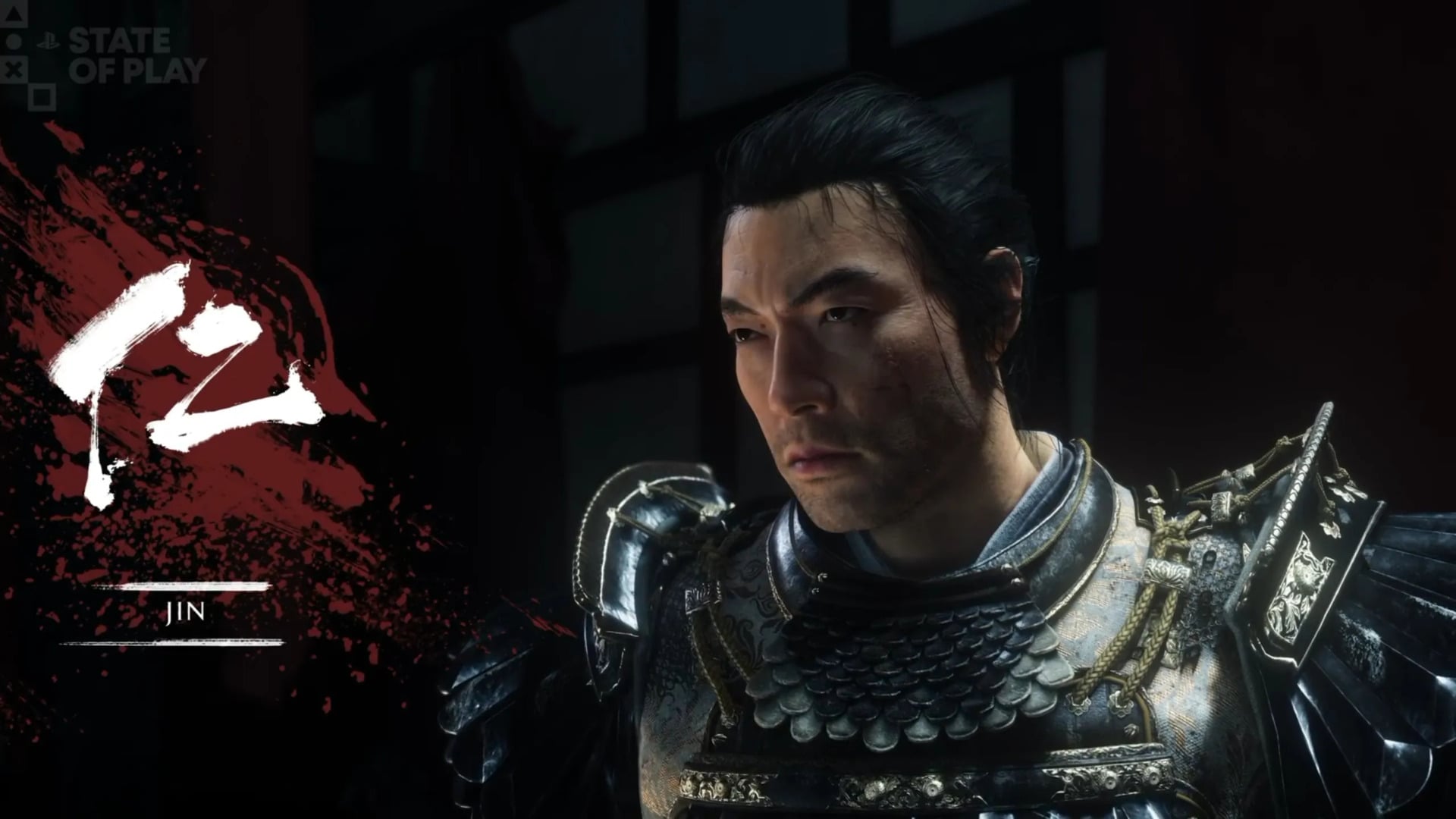
Jin Sakai is officially returning. PlayStation has confirmed that the original Ghost of Tsushima protagonist will become a playable character in Ghost of Yōtei through a new mode called Most Wanted, giving longtime fans another chance to step into the role of the Ghost.
This isn’t just a quick cameo or cosmetic appearance. Jin comes with his familiar combat style from Ghost of Tsushima, including the four original sword stances, bow, Sticky Bomb, Dance of Wrath, and the powerful Ghost Stance. His character model has also been updated to better match the visual presentation of Ghost of Yōtei while keeping the identity players remember from the original game.
Most Wanted takes a different approach from the main Ghost of Yōtei experience. It’s designed as a single-player roguelike survival mode, where players take on bounties, survive groups of increasingly dangerous enemies, defeat minibosses, and collect perks that strengthen their character during each run. Eventually, players will face members of the Yōtei Six.
Jin won’t be the only playable character either. Most Wanted includes Atsu, Oyuki, and Nagato, with each fighter bringing different weapons and abilities. That should give the mode more variety than simply replaying the same encounters with different character skins. Jin, however, will almost certainly be the character that attracts the most attention because of his connection to Ghost of Tsushima.
His return is particularly interesting because Ghost of Yōtei moved away from Jin’s story and introduced a new protagonist and setting. Bringing him back allows Sucker Punch to reconnect the two games without necessarily changing the direction of Yōtei’s main campaign. For players who spent dozens of hours mastering Jin’s combat in Tsushima, the ability to use those familiar stances again is an easy reason to return.
The update is scheduled to arrive on October 1, 2026, alongside the Ghost of Yōtei Complete Edition and the Echoes of Sekigahara expansion. Existing owners will also have an upgrade option, so players won’t necessarily need to purchase the entire game again just to access the new package of content.
Of course, Jin’s comeback immediately raises a bigger question: does this mean Sucker Punch is preparing another Ghost of Tsushima game centered on Jin? For now, the answer is no—at least officially. PlayStation has only confirmed his appearance in Most Wanted, and there has been no announcement of Ghost of Tsushima 2 or a new standalone Jin Sakai adventure.
Still, bringing Jin Sakai back as a fully playable character feels more significant than a simple nostalgia cameo. Ghost of Yōtei is giving the original Ghost his sword back, complete with the abilities that made him such a memorable protagonist. Whether this is simply a celebration of Ghost of Tsushima or a small hint at something bigger, fans will have another reason to return when Most Wanted arrives this October.
NVIDIA is preparing to launch DLSS 5 on September 3, 2026, pushing AI even deeper into the way PC games are rendered. The new generation introduces 3D-Guided Neural Rendering, expanding DLSS beyond traditional upscaling and Frame Generation. NBA 2K27 will be among the early games supporting the technology, giving RTX 50 Series owners one of the first opportunities to see how it performs outside NVIDIA’s demonstrations.
The biggest talking point, however, is performance. NVIDIA’s early demonstrations suggest some DLSS 5 neural rendering workloads can reduce base rendering performance by roughly 50–60% before technologies such as Super Resolution and Frame Generation are included. That doesn’t mean every DLSS 5 game will suddenly run 60% slower. Performance will depend heavily on the game, settings, resolution, and how developers implement the technology.
This trade-off shows where NVIDIA believes PC graphics are heading. Instead of relying entirely on GPUs to traditionally render every part of a frame, AI can increasingly help reconstruct or generate visual information. DLSS can then use upscaling and generated frames to recover performance and produce a much higher final frame rate. The result could look impressive, but it also makes the FPS number shown on screen less straightforward than it used to be.
That’s why independent testing will matter once DLSS 5 reaches actual PC games. Gamers will need comparisons covering native rendering, DLSS image quality, base FPS, generated FPS, latency, and visual artifacts before deciding whether the extra graphical quality is worth the performance cost.
DLSS 5 isn’t simply another version of NVIDIA’s upscaler. It’s another step toward a future where AI becomes part of the rendering pipeline itself. September 3 will give PC gamers their first real opportunity to find out whether that future actually looks better — and how much GPU performance they’re giving up to get there.
The Witcher 3: Wild Hunt Remastered is coming on September 29, 2026, and CD Projekt Red has finally revealed what PC players will need to run it. Considering how much the game is being upgraded, the requirements are actually not as brutal as you might expect.
The Remastered version brings updated visuals, animations, combat improvements, character movement, and several gameplay changes. It also includes Hearts of Stone and Blood and Wine, while existing owners will receive the upgrade for free.
Minimum PC Requirements
To run the game, you’ll need at least an Intel Core i5-8400 or Ryzen 5 2600, paired with a GTX 1660 6GB, RX 5500 XT 8GB, or Intel Arc A580. The game also asks for 12GB RAM and around 70GB of SSD storage.
Windows 11 and DirectX 12 are required too, so players still using older Windows versions or traditional hard drives might finally have a reason to upgrade.
Recommended Specs
For a smoother experience, CD Projekt Red recommends an Intel Core i7-8700K or Ryzen 5 3600X, along with an RTX 2060 SUPER, RX 6600 XT, or Intel Arc B580. You’ll also want 16GB RAM and a 70GB SSD.
Honestly, that’s pretty friendly for a major 2026 remaster. An RTX 2060 SUPER isn’t exactly new anymore, so plenty of mid-range gaming PCs should still be able to handle Geralt’s return without needing a complete rebuild.
The Old Witcher 3 Requirements Are Basically Gone
The original Witcher 3 could run on hardware like a GTX 660 with only 6GB of RAM. The Remastered edition makes a pretty big jump from that, but it makes sense considering how much CD Projekt Red is changing.
Higher-quality visuals, improved lighting, better animations, and updated gameplay systems aren’t exactly free when it comes to performance.
Still, compared to some modern PC releases asking for high-end hardware just to reach decent settings, The Witcher 3 Remastered looks surprisingly manageable.
Can Your PC Run It?
If you’re already using something around a GTX 1660 or newer, you’ve got a good starting point. Anyone with an RTX 2060 SUPER, RX 6600 XT, or stronger GPU should already be around the recommended range.
The bigger problem will probably be older PCs still running an HDD, Windows 10, or GPUs with very limited VRAM.
Geralt is coming back looking a lot better than he did in 2015.
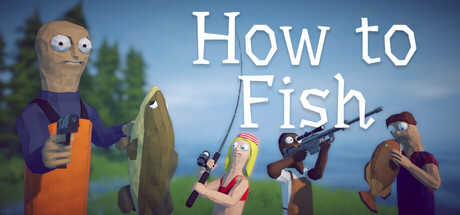
How to Fish sounds like one of those chill fishing games you fire up after a long day. Yeah… not really. You do fish, obviously, but before long you’re running around islands with your friends, throwing fish all over the place, buying weapons, pulling off ridiculous trick shots, fighting huge creatures, and somehow turning what should’ve been a relaxing fishing trip into complete chaos.
The game launched on Steam on August 20, 2026, and it didn’t take long for people to notice it. Within days, How to Fish was already showing up among Steam’s top-selling games and collecting thousands of positive reviews. But the more interesting part isn’t simply that the game got popular. It’s how two Swedish developers got there after their previous game barely managed to sell.
So, Who Actually Made How to Fish?
How to Fish comes from Dazed Games, a tiny Swedish indie studio founded by Melvin Olsson and Carl-Vilhelm Johansson. And when I say tiny, I mean it. Dazed Games is basically the two of them.
Melvin and Carl-Vilhelm had already been messing around with programming and game development for years. They studied at LBS Kreativa Gymnasium in Gothenburg before moving on to Game Development and Programming at the University of Skövde. Like plenty of indie developers, though, they didn’t jump straight into making a hit. Their first proper project was Out of Hand: Deluxe, a physics-based multiplayer party game. That game would eventually become one of the biggest reasons How to Fish exists, just probably not in the way they expected.
Their First Game Didn’t Exactly Go to Plan
Out of Hand started as a prototype while the two were still studying. They brought the project into the Sweden Game Startup program in 2023, later released a free version on Steam, officially formed Dazed Games in 2024, and eventually launched a paid version during the summer of 2025.
Sounds like a pretty normal indie development story so far. Except the game didn’t really sell.
Melvin later talked pretty openly about the problem. Sales were low, and one of the biggest weaknesses they noticed was something a lot of small developers underestimate: marketing. You can spend years making a decent game, but if barely anyone knows the thing exists, that obviously doesn’t help much.
They kept working on Out of Hand for a while and tried to improve it, but eventually decided that endlessly fixing the same project probably wasn’t going to change the situation. Instead of dragging things out for another couple of years, they moved on. Around August 2025, the two started working on something completely new. That project became How to Fish.
This Time, They Didn’t Wait Until Release to Show the Game
This is probably one of the biggest differences between Out of Hand and How to Fish. The first time around, Dazed Games mainly focused on making the game. With How to Fish, they also started thinking about how people were actually going to discover it.
Throughout development, Melvin and Carl-Vilhelm regularly uploaded short clips showing new features, weird physics moments, funny bugs, and whatever else happened while they were building the game. Turns out, that kind of content works pretty well when your game naturally creates ridiculous situations.
Some of their clips started pulling millions of views on TikTok and Instagram, while their Discord community grew before the game had even launched. That’s a completely different position from releasing a game first and only then trying to convince people to care about it. By the time How to Fish finally appeared on Steam, there were already players waiting for it.
Then Landfall Got Involved
Things got even more interesting when Dazed Games crossed paths with Landfall. If you’ve played games like Totally Accurate Battle Simulator or seen some of Landfall’s other projects, the connection makes a lot of sense. Landfall has always had a thing for strange physics, multiplayer chaos, and games that are almost as fun to watch as they are to play.
Basically, How to Fish fits right into that kind of world.
After meeting through industry events, Dazed Games eventually received project investment from Landfall to help finish How to Fish. Landfall didn’t buy the studio or take control of Dazed Games. The investment was there specifically to help them get the game over the finish line. For a two-person team, that’s a pretty big deal. It gave them more breathing room to focus on finishing the project without constantly worrying about how long they could keep funding development themselves.
Okay, But What Do You Actually Do in How to Fish?
The setup is wonderfully stupid. Your character has been drinking, goes out on a boat, crashes, and ends up stranded on an island. Naturally, the obvious solution is to become really, really good at fishing.
You start out with basically nothing. Catch fish, sell them, make some money, buy better gear, and slowly work your way toward bigger and stranger things. Simple enough. Then How to Fish starts going off the rails.
There are different islands to explore, quests to finish, weapons to buy, rare fish to hunt down, dangerous creatures, upgrades, boss-like encounters, and a bunch of physics-driven nonsense that gets even better when friends are involved. You can even earn extra money by pulling off trick shots with your catches, because apparently just catching the fish isn’t enough. You have to embarrass it first.
Calling How to Fish a fishing simulator honestly doesn’t explain much. It feels closer to a weird co-op physics sandbox with fishing thrown into the middle of it, which is probably a big part of why it stands out so quickly when you see clips of people playing.
Four Players Apparently Weren’t Enough
At launch, How to Fish supported solo play and co-op for up to four players. That didn’t last very long. Just one day after release, Dazed Games pushed out an update that increased the lobby size to eight players.
Eight people in a physics-based fishing game. You can probably imagine how organized those sessions are.
The developers also started tweaking creatures, fixing multiplayer issues, and responding to problems players were reporting through Discord. More patches followed pretty quickly, adding private lobbies, quality-of-life changes, bug fixes, and fixes for a few ways players had already figured out how to completely ruin multiplayer sessions. For such a small team, the post-launch response came surprisingly fast.
Then They Hit One Million “Fishermen”
Only a few days after launch, Dazed Games posted another update celebrating one million fishermen in two days. There’s an important distinction here, though. The developers described the milestone as “1 Million Fishermen,” not one million copies sold, so it wouldn’t be accurate to simply call it one million sales.
Still, whatever way you look at it, that’s a ridiculous amount of attention for a game made by two people.
The Steam reviews told a similar story. Within days, How to Fish had already collected thousands of reviews, with the overwhelming majority of players recommending the game. That was enough to push it into Overwhelmingly Positive territory. Not bad for a studio whose previous game struggled to get much attention at all.
So Why Did How to Fish Blow Up?
There’s no single magic answer. The relatively cheap price helps, co-op obviously helps, and games built around unpredictable physics are basically perfect for TikTok clips, YouTube Shorts, Twitch streams, and whatever group chat your friends use to send each other dumb videos at 2 AM.
But the bigger part of the story probably happened before launch.
Dazed Games learned something from Out of Hand: making the game wasn’t enough. This time, they started building an audience while they were still building the game. They posted development videos, showed people funny moments, grew a Discord community, and basically let the game advertise itself through the kind of chaos it naturally creates.
So when launch day finally arrived, How to Fish wasn’t some random Steam page appearing out of nowhere. People already knew what it was, and some of them had been waiting for it. That’s a completely different starting point for an indie game.
From a Failed Game to a Steam Top Seller
That’s really what makes How to Fish interesting. Sure, the game itself is funny. Watching eight people completely fail at what should be basic fishing is probably enough to sell plenty of copies on its own. But behind all of that is a pretty classic indie developer story.
Two guys made a game. It didn’t sell. They figured out where they messed up. Instead of spending another few years trying to force the same project to work, they started over. They made something easier to understand, easier to share, and much easier to market. Then they spent months showing it to people before asking anyone to buy it.
A year later, How to Fish launched, climbed into Steam’s top sellers, picked up an Overwhelmingly Positive rating, and suddenly had a huge community on its hands.
What’s Next for How to Fish?
It’s still way too early to know where the game goes from here. How to Fish only launched on August 20, and Dazed Games is still pushing updates and fixing things based on player feedback. There also isn’t some massive awards history to talk about yet. The game literally just came out.
Maybe it’ll still be huge six months from now. Maybe the hype cools down. That’s the fun part—we don’t know yet.
But even if How to Fish disappeared from Steam’s top-seller list tomorrow, its launch already makes for a pretty good story: a failed first game, two developers, a completely different second attempt, millions of views before release, backing from Landfall, and then almost overnight, one of Steam’s hottest new games.
Not a bad comeback for a couple of guys who started by making a game hardly anyone bought.